logo

Are you need IT Support Engineer? Free Consultant

Education

Could My Child Have Dyslexia?

  • By Caribbean Dyslexia Centre
  • July 14, 2026
  • 54 Views

Early Signs Every Parent Should Know

As parents, we all want our children to enjoy learning and to feel confident in the classroom. When a child begins to struggle with reading or spelling, it is natural to wonder whether they simply need more practice or whether something else may be affecting their learning. Early signs of dyslexia

One possible explanation is dyslexia.

Dyslexia is a specific learning difference that primarily affects the skills involved in accurate and fluent reading and spelling. It is not related to intelligence, motivation, or poor teaching. In fact, many individuals with dyslexia are bright, creative, and capable of achieving great success when they receive the right support.
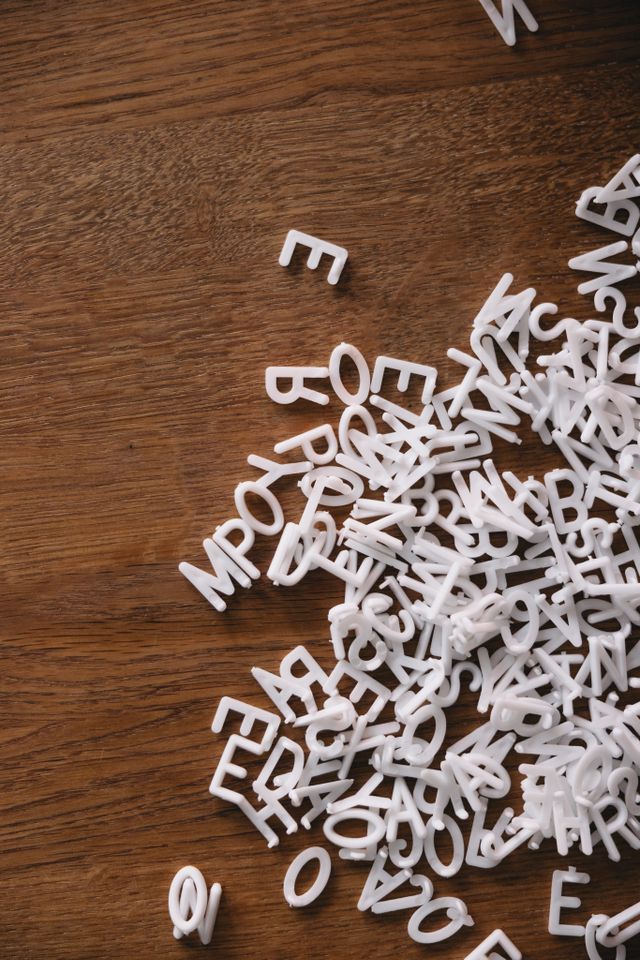

Early signs of dyslexia
While every child develops at their own pace, the following signs may suggest that further assessment is warranted:
  • Difficulty learning letter names and sounds.
  • Trouble recognising rhyming words.
  • Persistent confusion between similar-looking letters such as b and d.
  • Slow or hesitant reading.
  • Difficulty sounding out unfamiliar words.
  • Frequent spelling errors, even with familiar words.
  • Avoidance of reading activities.
  • Difficulty remembering sequences such as the days of the week or months of the year.
  • Becoming frustrated or anxious during homework that involves reading.
Having one or two of these signs does not necessarily mean a child has dyslexia. However, if several of these difficulties persist over time, it is important to seek professional advice.
What dyslexia is not
There are many misconceptions about dyslexia. It is important to understand that dyslexia is not:
  • A sign of low intelligence.
  • The result of laziness.
  • Caused by poor parenting.
  • Something that children simply “grow out of.”
With appropriate intervention, children with dyslexia can become successful readers and learners.

Why early identification matters
Early identification allows children to receive targeted support before frustration and low self-esteem begin to affect their confidence. Effective intervention can improve reading, spelling, writing, and overall academic achievement while helping children develop a positive attitude toward learning.
What should parents do?
If you are concerned about your child’s reading or literacy development:
  1. Speak with your child’s teacher about your observations.
  2. Keep notes of the difficulties you notice at home.
  3. Seek a comprehensive assessment if concerns continue.
  4. Begin evidence-based intervention as early as possible if recommended.
Remember, seeking an assessment is not about placing a label on your child. It is about understanding how your child learns so that appropriate support can be provided.
A message of hope

Many successful entrepreneurs, artists, scientists, and professionals have dyslexia. With understanding, appropriate instruction, and encouragement, children with dyslexia can thrive both academically and personally.

At the Caribbean Dyslexia Centre, we believe that every child deserves the opportunity to discover their strengths and develop the skills needed to reach their full potential. If you have concerns about your child’s reading development, our team is available to guide you through the assessment process and discuss the most appropriate next steps.

Leave a Reply

Your email address will not be published. Required fields are marked *